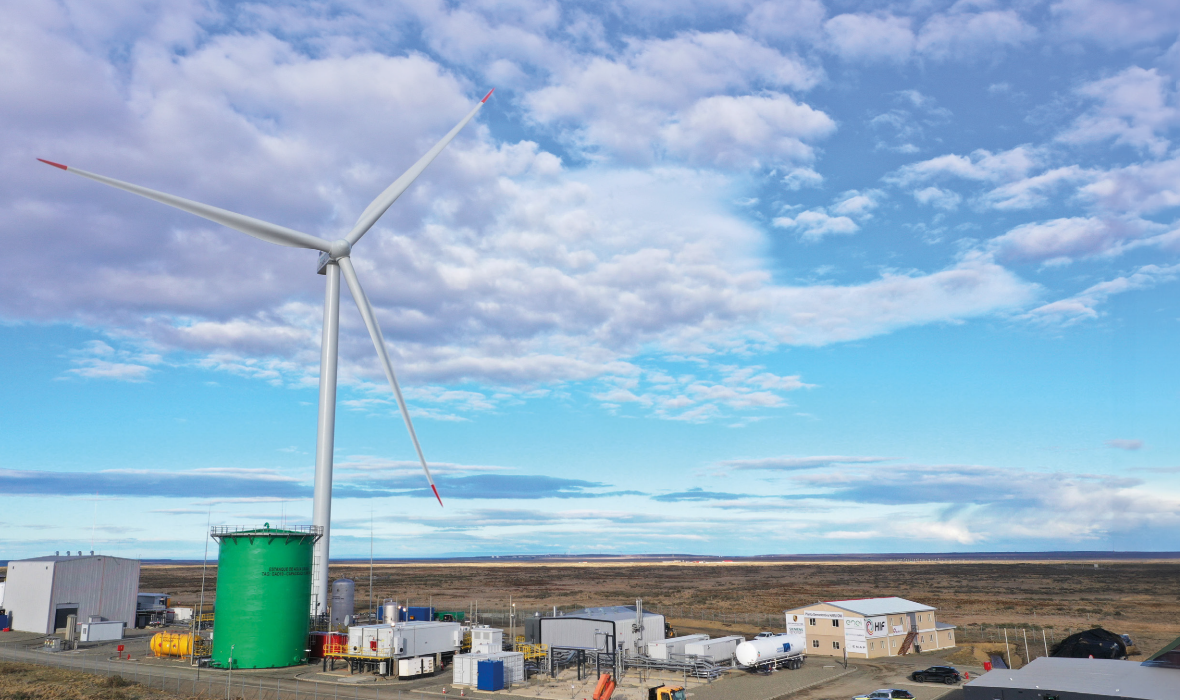
The Ministry of Energy, together with a cross-sector committee led by figures such as Michelle Bachelet and Juan Carlos Jobet, presented the 2026–2030 roadmap to consolidate Chile as a global benchmark in clean fuels and decarbonization.
In a key step to consolidate Chile’s leadership in the energy transition and industrial decarbonization, the Ministry of Energy officially presented the Updated National Green Hydrogen Strategy 2026–2030, a document that defines the strategic guidelines, priorities, and instruments that will guide the sector’s development in the coming years.
The announcement was led by the Minister of Energy and Economy, Development, and Tourism, Álvaro García, along with members of the Green Hydrogen Strategic Committee, including former President Michelle Bachelet and former Minister Juan Carlos Jobet. The new roadmap aims to strengthen a state policy that promotes public-private collaboration and ensures the sustainable deployment of a globally competitive industry.
During the presentation, Minister García stated that “Chile needs to have a shared vision of the country we want to build. Collaboration and joint work are essential pillars for achieving the objectives set out in this strategy.” Former President Bachelet highlighted the participatory and cross-sectoral nature of the process, noting that this effort seeks to “foster consensus, ensure a stable public policy with a long-term vision, capable of transcending governments and benefiting all Chileans.”
Similarly, former Minister Jobet emphasized the institutional continuity of the process initiated in 2020, praising the cooperation between different sectors as an example of a national vision towards energy independence, regional development, and environmental protection.
Three Strategic Pillars for 2030
The updated National Strategy establishes three central pillars that will guide public policy decisions and the work of the green hydrogen ecosystem going forward:
Strengthening domestic demand: Promoting the adoption of green hydrogen in sectors that are difficult to electrify, such as mining, the chemical industry, and the production of synthetic fuels.
Boosting exports: Consolidating Chile as a reliable supplier of hydrogen and derivatives in international markets with ambitious carbon neutrality goals, especially in Europe and Asia.
Governance and local value development: Accelerate the institutionalization of the sector, reduce regulatory uncertainty, and promote the participation of local suppliers, human capital development, and national value chains.
With this new version, the country reaffirms its commitment to a sustainable energy transition, seeking to transform its renewable potential into a global competitive advantage and an engine of economic development for the regions.
The launch of this policy modernization was attended by government authorities, representatives from academia, and industry leaders, marking a new milestone in the consolidation of the Chilean green hydrogen ecosystem, key to achieving carbon neutrality by 2025.