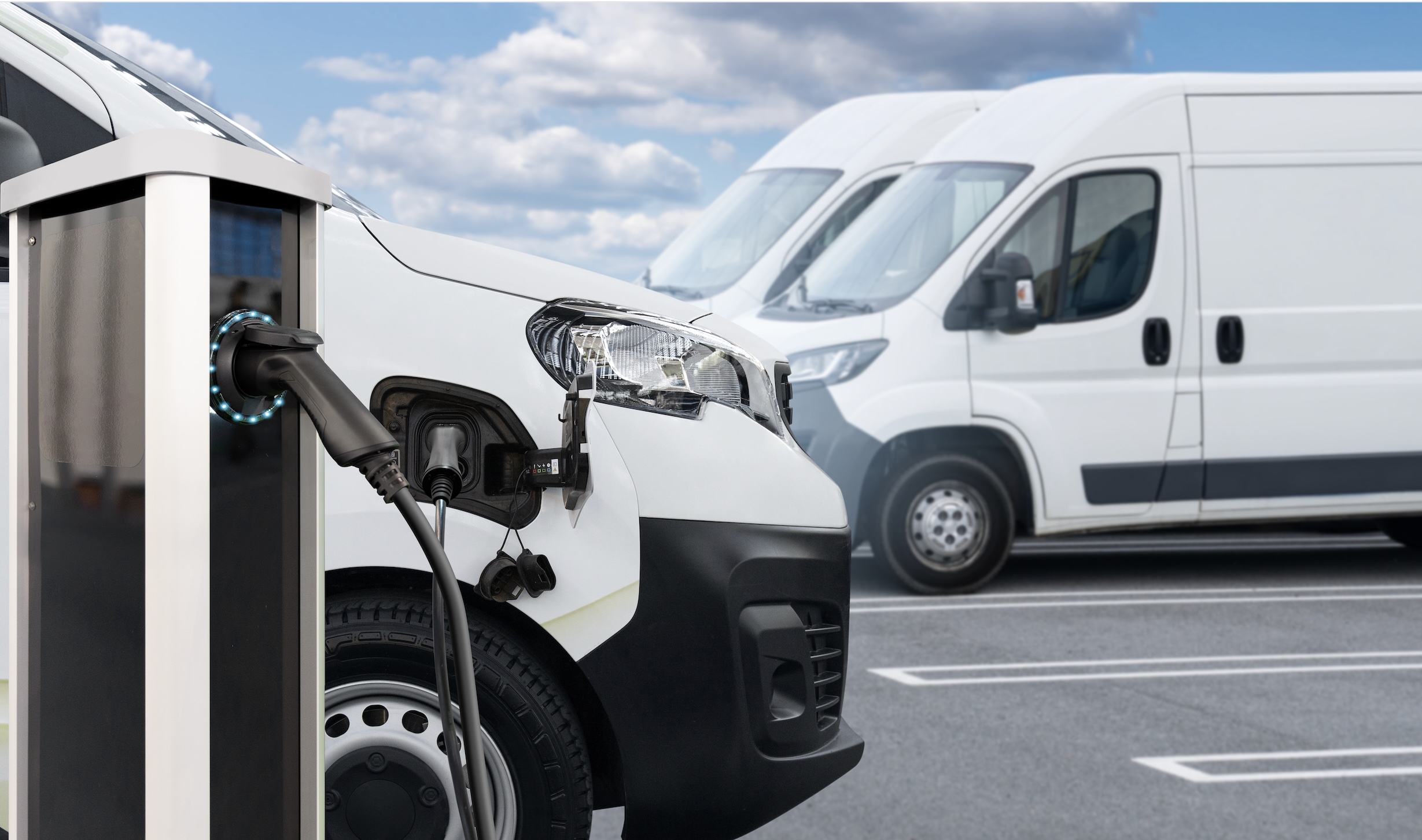
Although only 7% of companies currently use electric vehicles, the promise of lower operating costs is motivating key sectors to plan their transition. In this context, Hyvolution Chile is establishing itself as the strategic hub connecting this demand with the technology and financing necessary for the change.
The energy transition in Chilean corporate transportation is at a pivotal moment with the rise of electromobility.
The recent report, “A Snapshot of Electromobility in Corporate Fleets,” prepared by the Center for Sustainable Mobility and Feedback Research, reveals that while the current penetration of electric vehicles is only 7%, there is a horizon of change driven by economic interests and urban operational needs.
The study, which surveyed 520 companies nationwide between December 2025 and January 2026, establishes a baseline where the pickup truck stands out as the primary transportation vehicle for the private sector. However, the dominance of fossil fuels remains overwhelming: 97% of the energy powering these fleets comes from gasoline and diesel.
The economic factor as a driver of change
For decision-makers, electromobility has ceased to be merely a commitment to the environment and has become an opportunity. The main advantage perceived by companies for making the switch is operational savings, specifically in fuel and maintenance, followed closely by environmental benefits and emissions reduction.
This view is particularly strong in sectors with intensive operations. The Electromobility Readiness Index (EPI) highlights that the Tourism (67%), Transportation (60%), and Mining (52%) sectors show the greatest openness to adopting these technologies. In these industries, electric mobility is perceived as a direct tool for reducing long-term operating costs.
Technical Compatibility and Remaining Challenges
One of the most relevant findings for the sector’s viability is that current operating cycles are technically compatible with available electric technology. This is because 53% of commercial vehicles in Chile travel less than 100 kilometers per day, and 47% of operations are concentrated in urban distribution. These short distances and routes within the city eliminate concerns about battery range.
However, while there is a predisposition towards electromobility in fleets, the path ahead faces several structural obstacles.
Companies identify three critical barriers that the market and the government must address: the limited availability of commercial models, insufficient access to charging infrastructure, and the need for better financing conditions. In fact, 59% of those who prefer government incentives indicate that financing guarantees would be the most important incentive to finalize the purchase.
A Call for Public Action
The report concludes that the evaluation of government efforts to promote electric transport is moderate, with 64% of companies rating them as insufficient. There is a clear demand for public leadership that not only provides tax benefits but also acts as an informative force, reducing technical knowledge gaps.
With a majority willing to support new regulations requiring manufacturers to offer more electric models, Chile is in an early but fertile phase for the transformation of its logistics matrix, where operational efficiency and sustainability are beginning to speak the same language.
Hyvolution Chile: The Meeting Point for Sustainable Mobility
The analysis of this data confirms that the will for change exists, but it requires an ecosystem that connects technology providers with decision-makers. In this context, Hyvolution Chile positions itself as the key platform for overcoming the information and financing barriers identified in the study.
During the congress and exhibition, the main players in clean energy and electromobility will present concrete solutions for fleet transformation, offering the opportunity to learn firsthand about the models and charging infrastructure that the national market demands today.